Taking care of your overall health and wellbeing requires attention to both physical activity and everyday lifestyle habits. Exercise is an important part of this picture, but nutrition, sleep, stress management, relationships, and recovery also contribute to how you feel and function.
An active lifestyle doesn’t have to involve complicated routines. Simple activities performed consistently can support physical fitness while contributing to broader wellbeing.
The Connection Between Activity and Health
Regular movement supports many aspects of physical health.
Walking, cycling, swimming, strength training, and recreational activities can improve fitness and help maintain physical function.
Exercise can also provide opportunities to spend time outdoors, socialize, and take breaks from sedentary activities.
Create a Balanced Routine
A balanced routine can include different forms of exercise.
Aerobic activities can improve endurance, while strength training can support muscle function.
Flexibility and mobility exercises can help maintain comfortable movement.
The ideal combination depends on your goals and current fitness level.
Start Slowly
If you have been inactive, beginning gradually is important.
Start with manageable activities such as walking or basic strength exercises.
As your fitness improves, you can gradually increase duration, frequency, or intensity.
Trying to achieve too much immediately can make exercise unpleasant and may increase the risk of injury.
Make Movement Part of Daily Life
Exercise doesn’t have to happen only during a formal workout.
Take short walking breaks, use stairs when appropriate, perform household tasks, or participate in active hobbies.
These activities can help reduce prolonged sedentary time.
Small amounts of movement throughout the day can add up.
Nutrition Supports Wellbeing
Physical activity is only one part of a healthy lifestyle.
A balanced diet provides the body with energy and nutrients.
Focus on a variety of vegetables, fruits, whole grains, protein sources, and healthy fats.
Rather than following unnecessary restrictions, create eating habits that are nutritious and sustainable.
Sleep and Recovery
Recovery allows your body to adapt to physical activity.
Adequate sleep is especially important because insufficient rest can affect energy, concentration, mood, and exercise performance.
Build a regular sleep routine and allow sufficient recovery between demanding workouts.
Stress Management
Mental wellbeing is connected to physical wellbeing.
Exercise may help some people manage everyday stress, but it should not be the only strategy.
Relaxation activities, hobbies, social connections, and appropriate professional support can also be valuable.
Enjoy Your Exercise
Enjoyment is an important part of consistency.
Try different activities until you find something you genuinely like.
You might enjoy walking with friends, cycling, swimming, dancing, hiking, or strength training.
Exercise is more sustainable when it fits your interests.
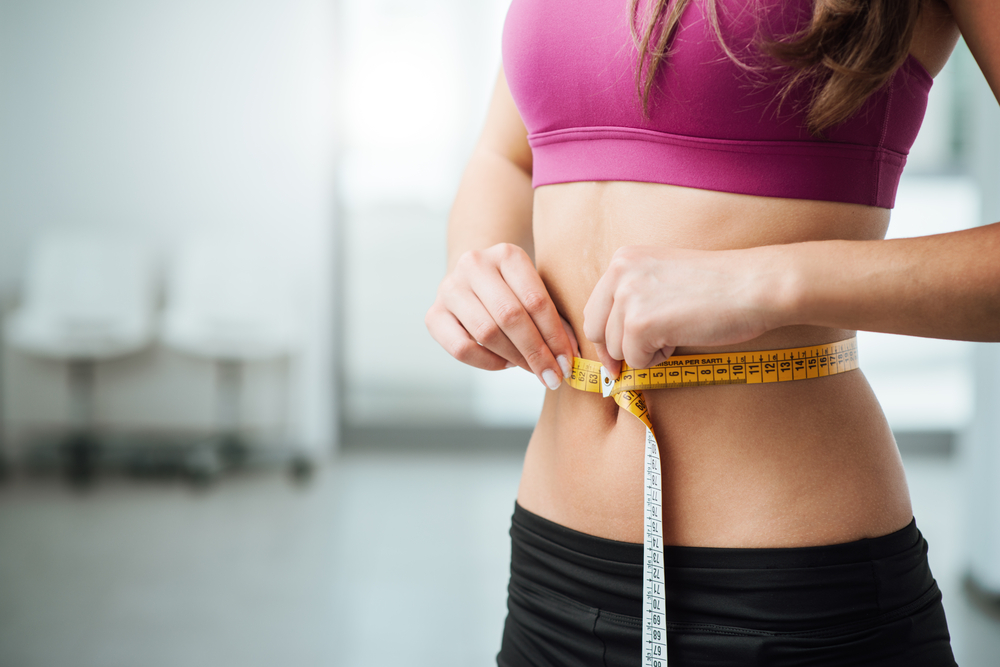
Measure More Than Weight
Physical wellbeing cannot be measured by body weight alone.
Consider improvements in stamina, strength, mobility, sleep, energy, and daily functioning.
These changes can provide meaningful evidence that your lifestyle is becoming healthier.
Build Healthy Habits Gradually
You don’t need to change everything at once.
Start with one or two habits.
For example, take a daily walk and improve your bedtime routine.
Once these habits become established, introduce additional changes.
Gradual progress can be easier to maintain.
Know When to Seek Guidance
People with medical conditions, injuries, or specific health concerns should consider professional advice before starting a new exercise routine.
A qualified professional can provide guidance appropriate to your circumstances.
Conclusion
Supporting overall health and wellbeing requires a balanced approach. Regular physical activity can improve fitness and support physical function, while nutritious food, adequate sleep, stress management, and social connection contribute to broader health.
The best routine is one you can maintain. Start gradually, choose activities you enjoy, and focus on consistent progress rather than perfection.
A healthy lifestyle is built through everyday decisions. With practical habits and realistic goals, exercise can become an enjoyable and valuable part of long-term wellbeing.